Signal in the Noise
An accessible flood evacuation system for deaf and hard-of-hearing residents in Allegheny County. A move-in kit and AR companion app designed to reach the people existing siren-based systems leave out.
Problem
Sirens, loudspeakers, door-knocking, PA announcements. If you can't hear them, you don't know there's a flood coming.
We looked at research on flooding and disability across four countries and found that every documented warning system relied on hearing. None of them had figured out an alternative for deaf or hard-of-hearing residents, which made it clear this wasn't just a Pittsburgh problem.
Research
We started by evaluating the existing app — before designing anything, we needed to understand what wasn't working and why.
Key Insights
What the interviews kept pointing us back to.
The registry exists, but almost no one knows about it.
Allegheny County has a Special Needs Registry that flags deaf residents to 911 dispatchers, but the deaf community we spoke to had never heard of it.
Smartphones are the universal device.
Almost every deaf and hard-of-hearing person we spoke to uses their phone for everything from alerts to communication, which makes it the most reliable channel to design for.
Most deaf adults live independently, not with caregivers.
The community is self-sufficient and doesn't think of itself as disabled, so our system had to support independence instead of assuming someone else would help.
Cost is a constant barrier.
A specialized bed shaker can cost over $400, and most people in the community are on fixed incomes.
Solution
Three connected interventions that move someone from unaware to prepared to safely evacuated. Each one fills a gap the community had told us about.
Solution
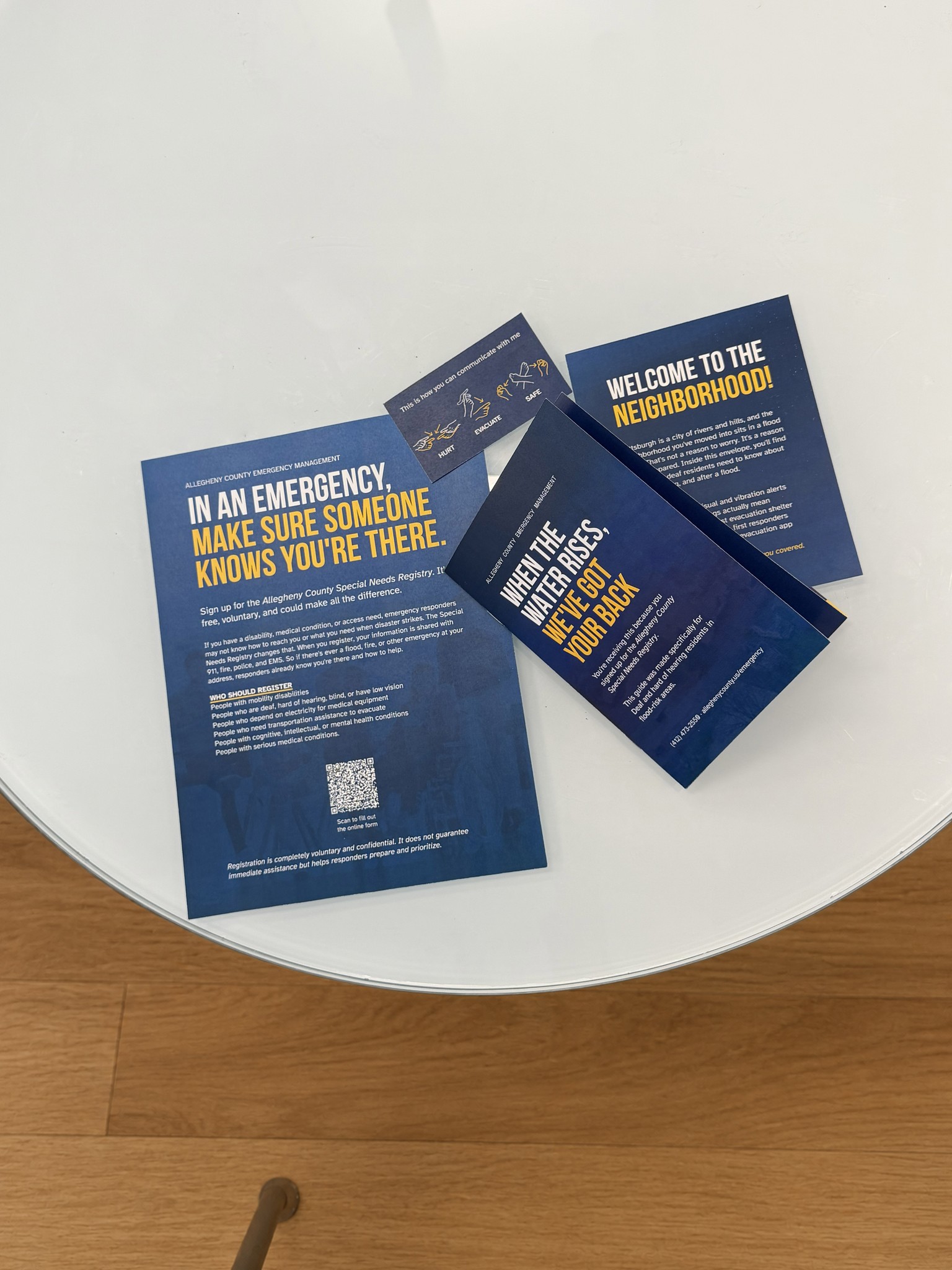
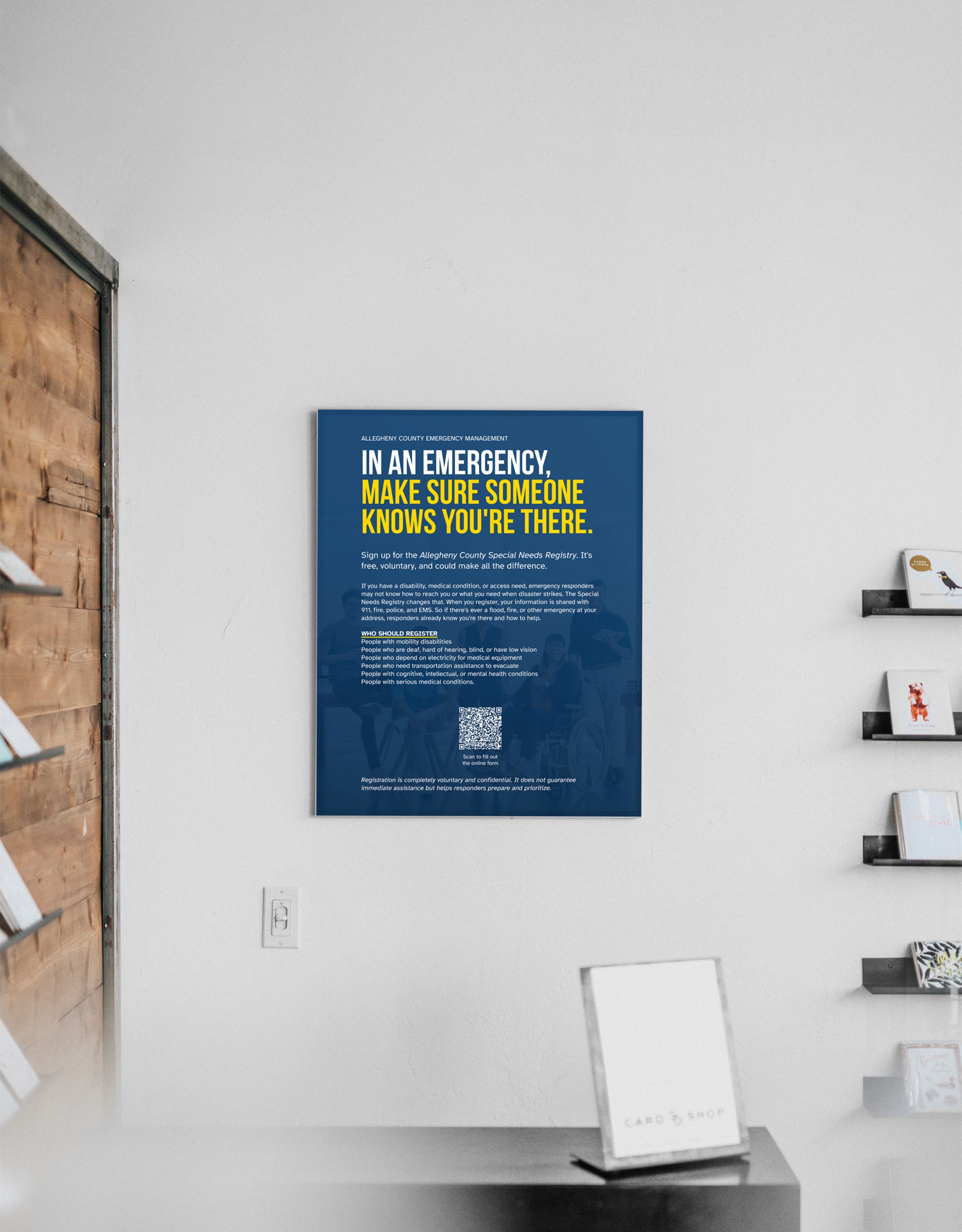
Registry Flyer A printed flyer that spreads awareness of the Allegheny County Special Needs Registry, which flags deaf residents to 911 dispatchers but almost no one had heard of. Distributed through schools, fire departments, and community organizations to drive sign-ups, the flyer is what brings people into the system in the first place.
Solution
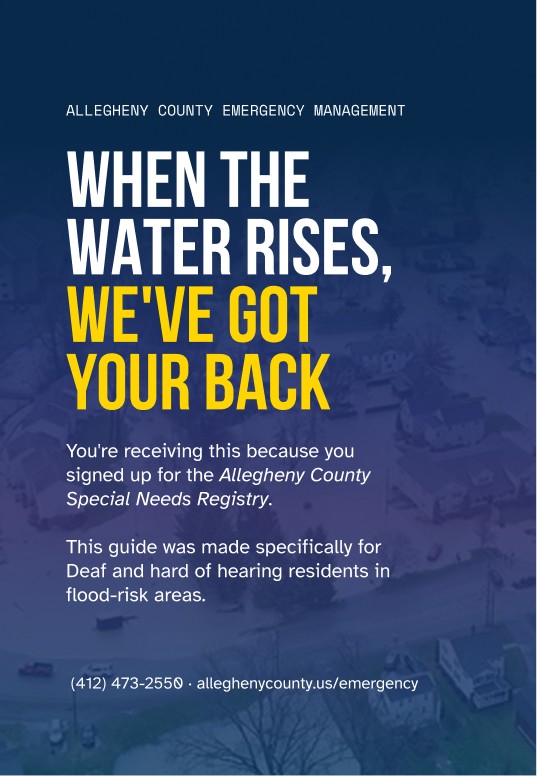
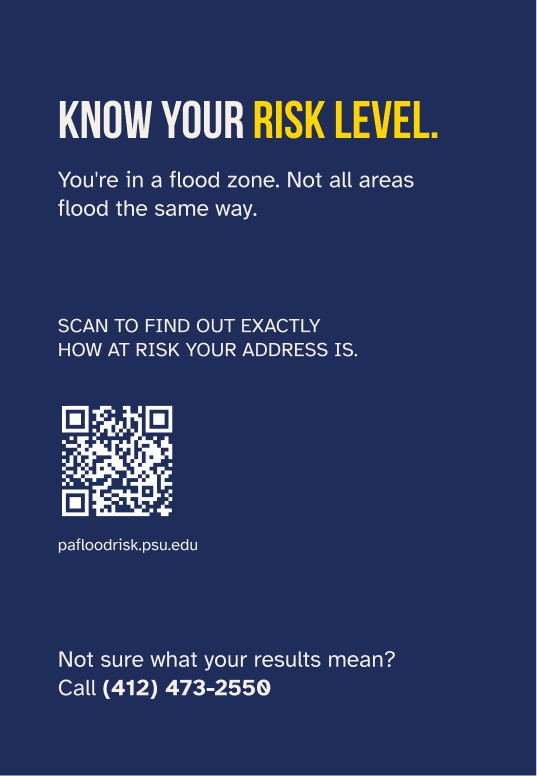
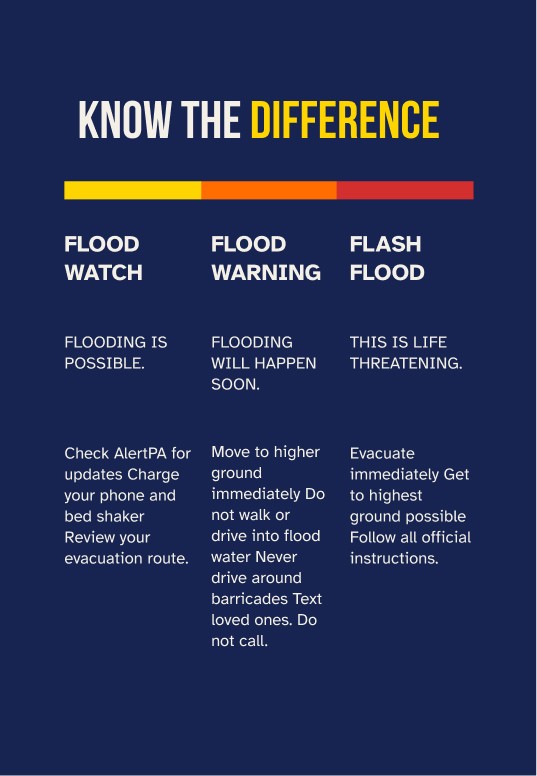
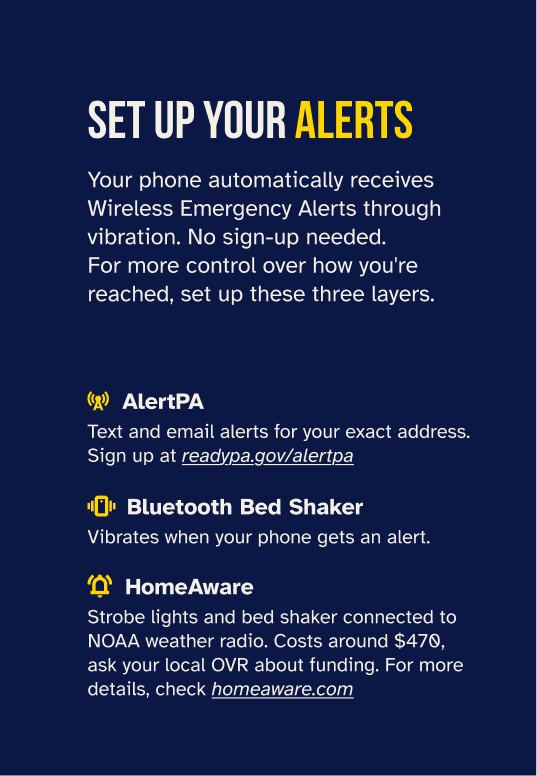
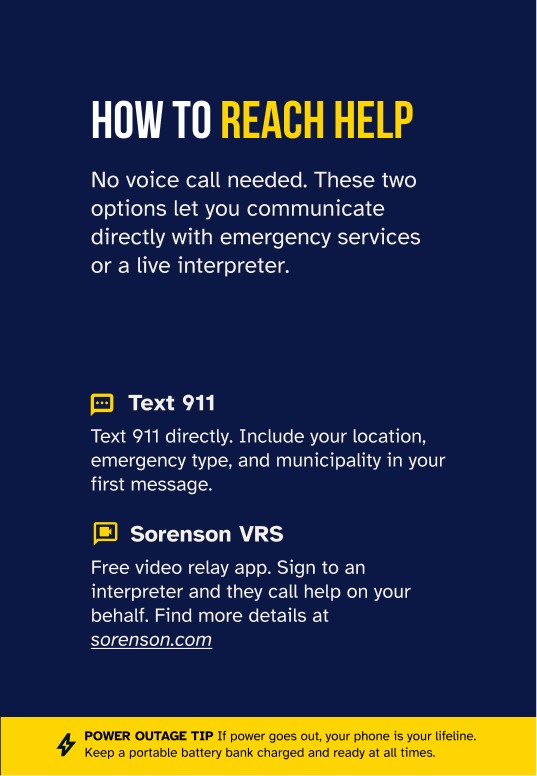
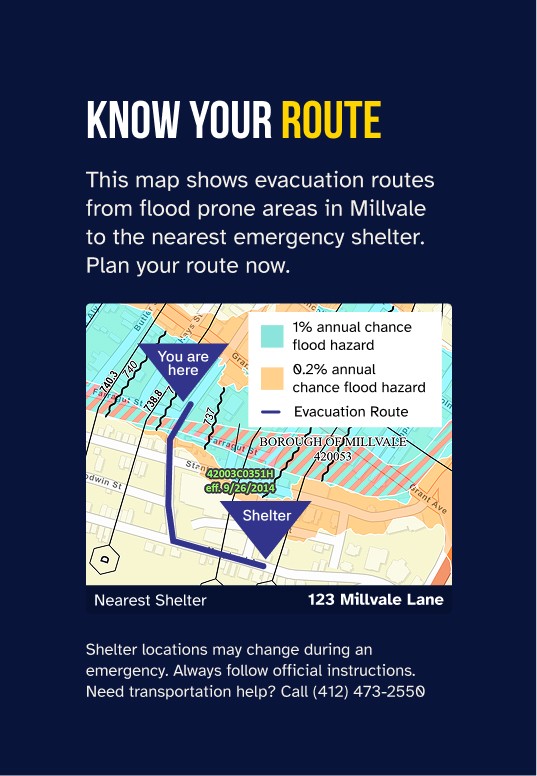
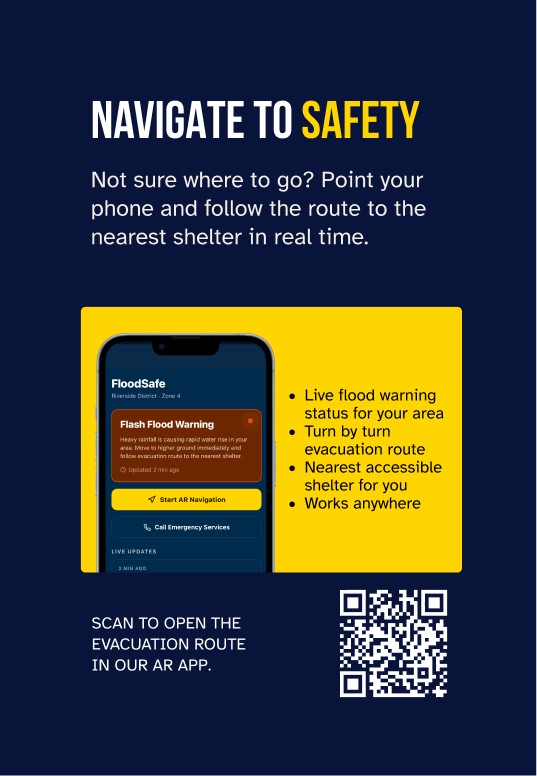
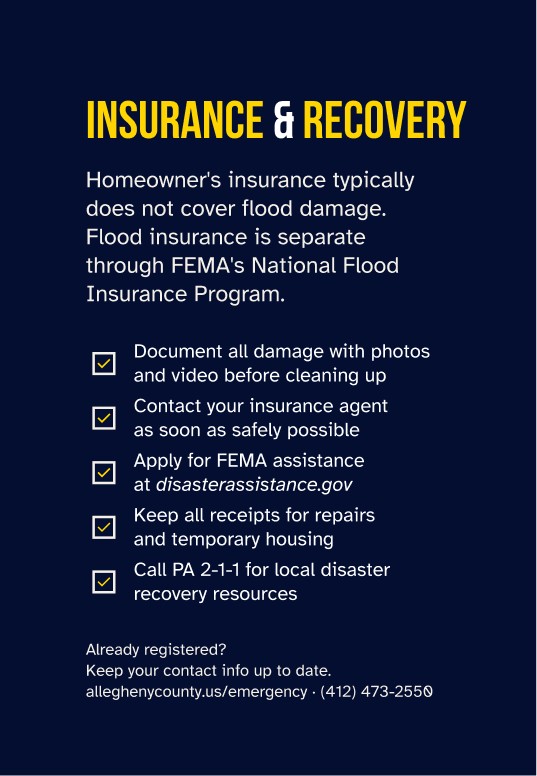
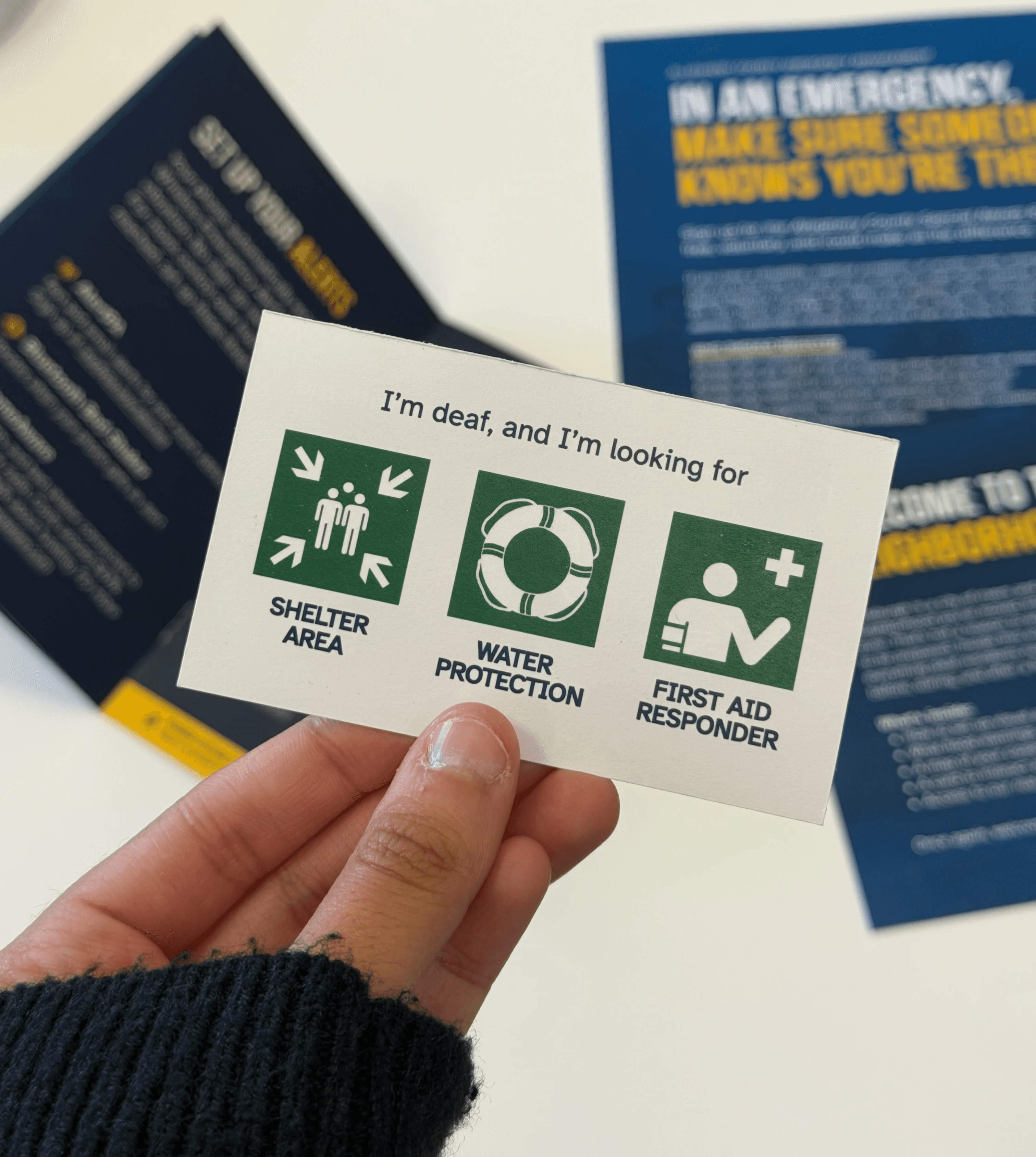
Preparedness Kit A move-in kit sent to residents after they register. Modeled on the welcome boxes new residents already receive, the kit pulls together everything the community had told us was scattered or missing.
The kit includes a welcome card, guide and help card.
Solution
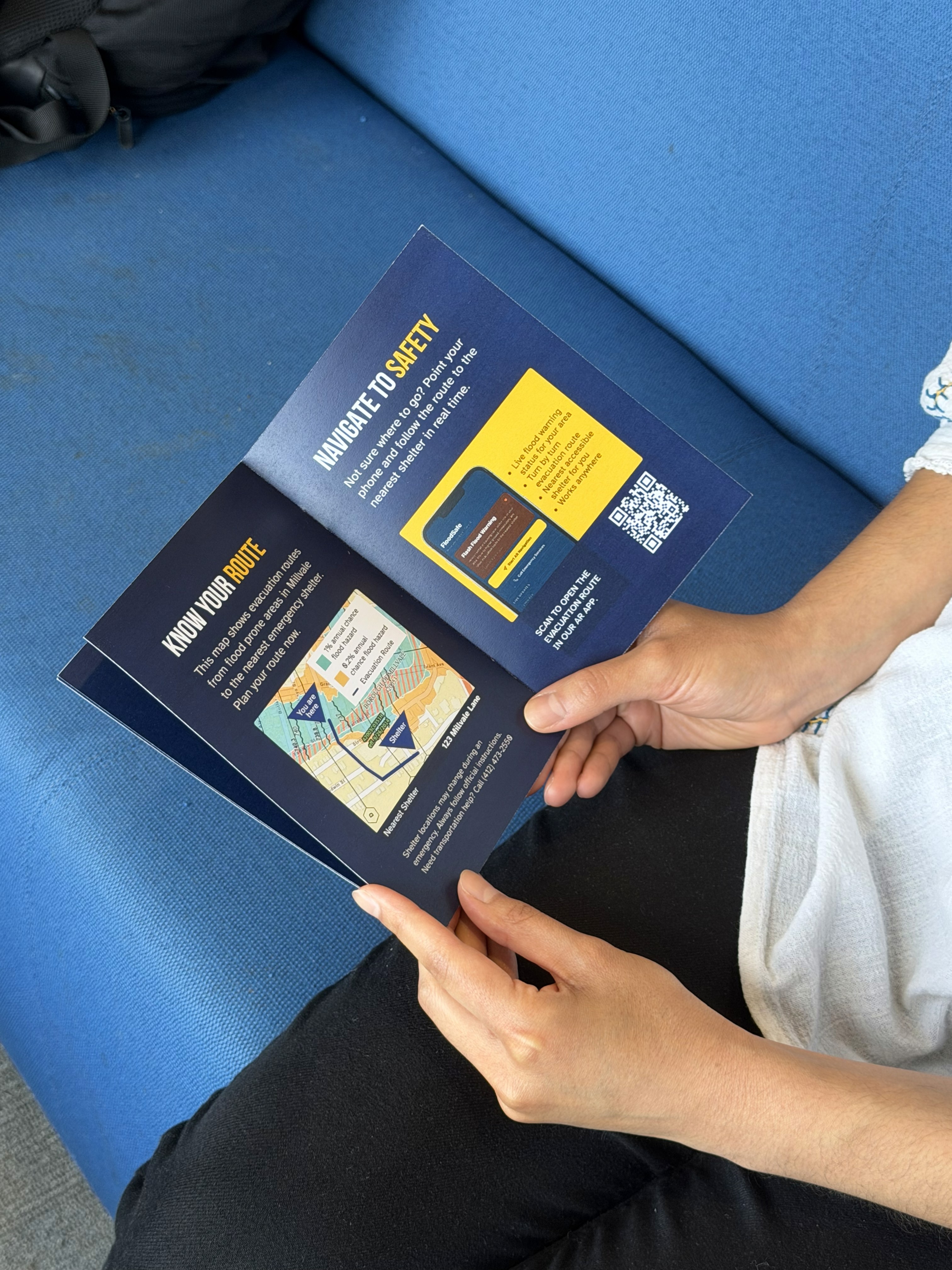
Flip through the guide below.
Solution
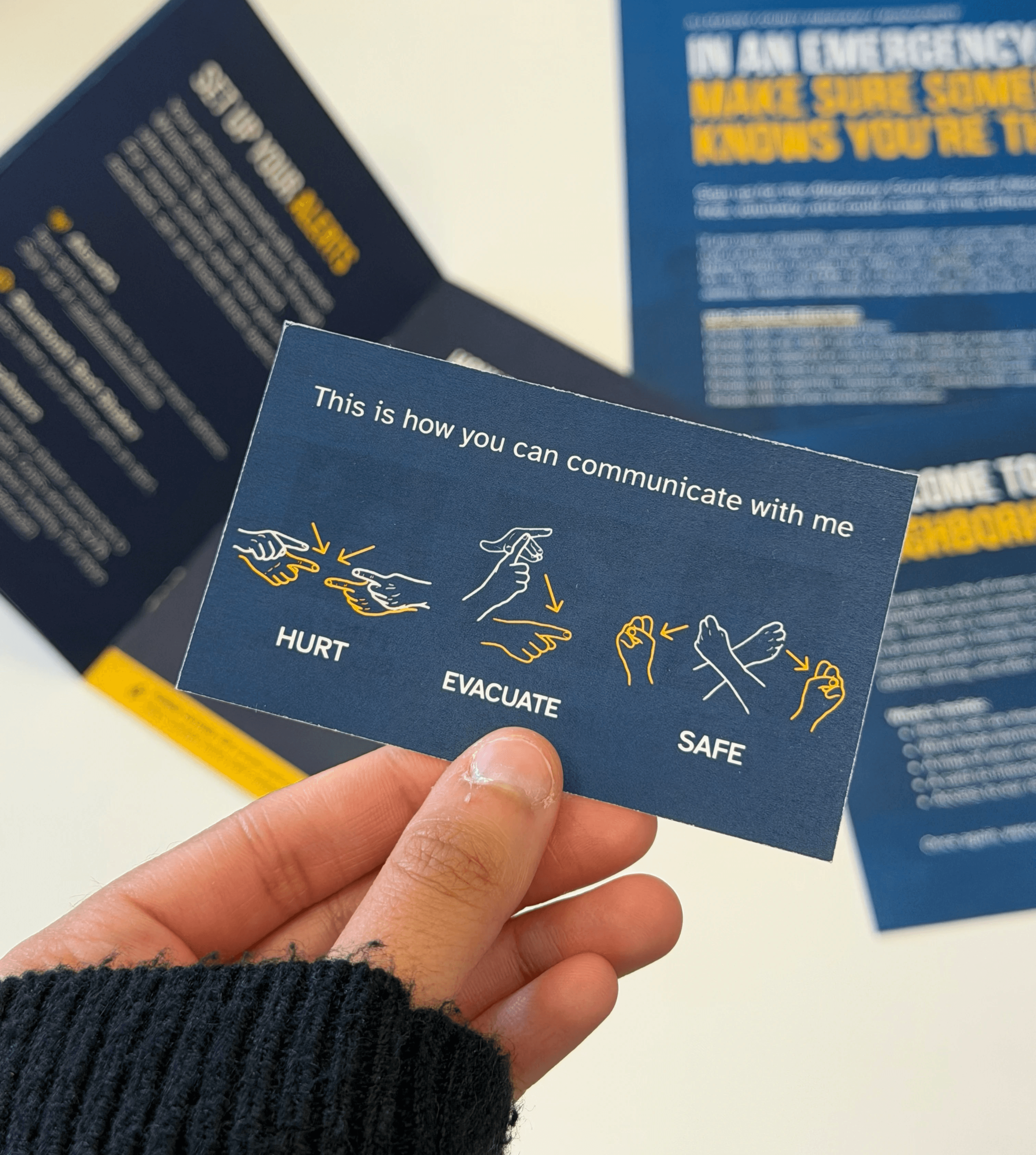
Help Card A wallet-sized card with ASL signs to help residents communicate with hearing responders during an evacuation.
Solution
AR Companion App A phone-based AR layer that gives real-time visual navigation to the nearest evacuation route or shelter. Built as a concept to show what the digital side of the system could look like, the app is linked from a QR code inside the kit so residents can access it when they need it.