No 'Shoot
Content
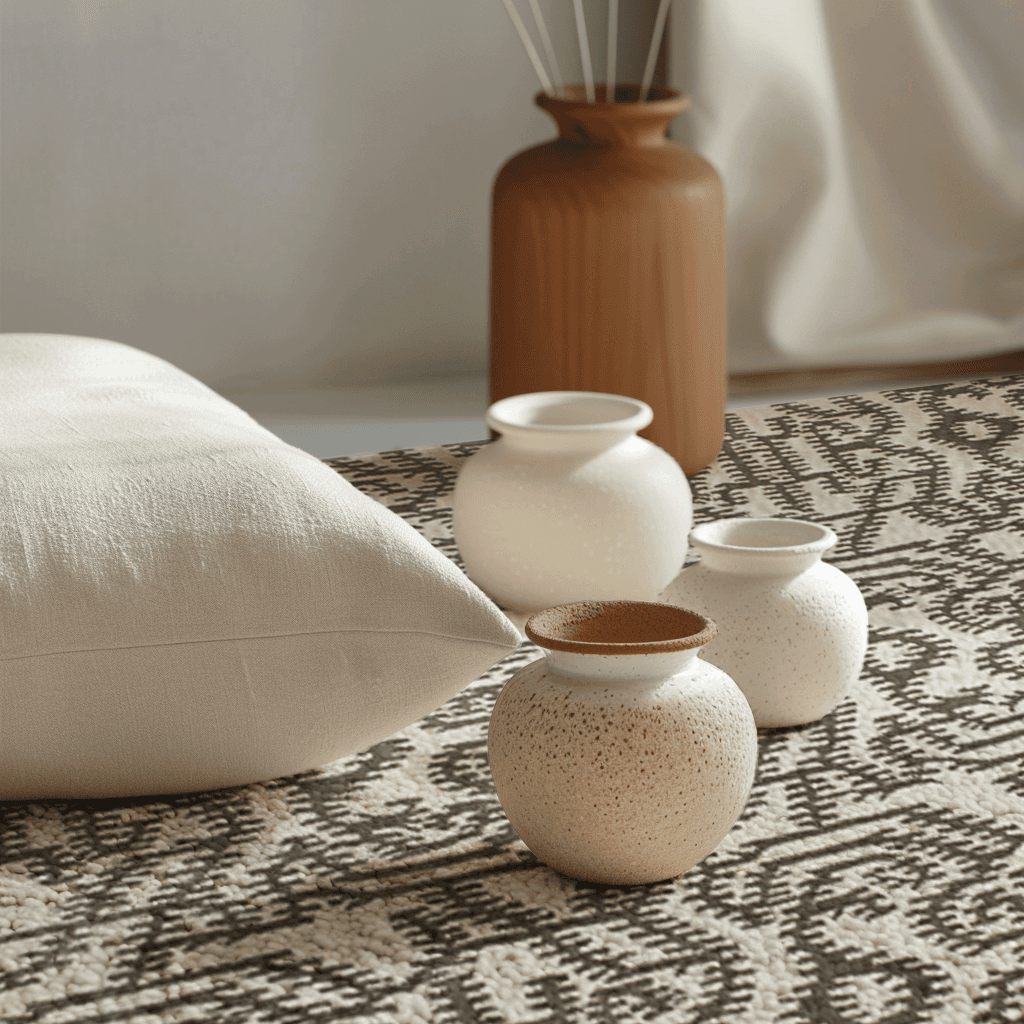
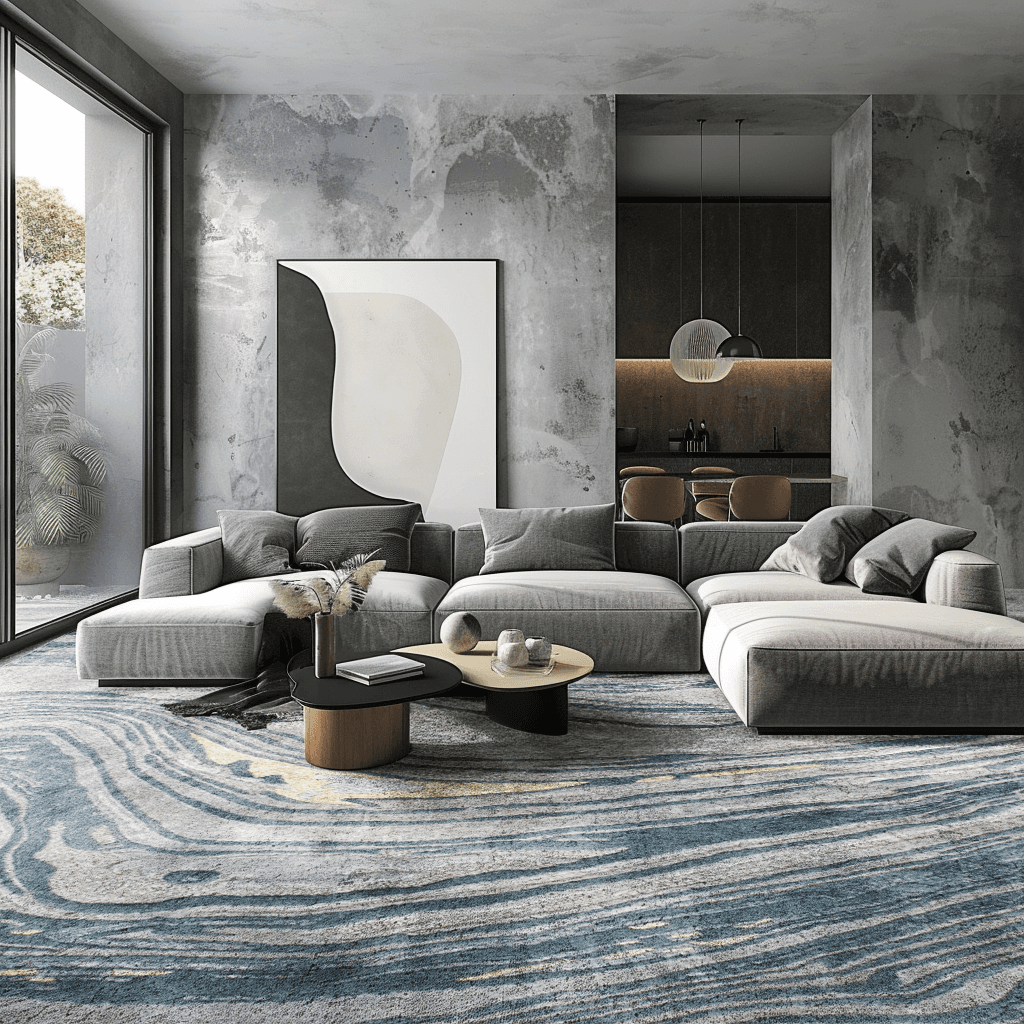
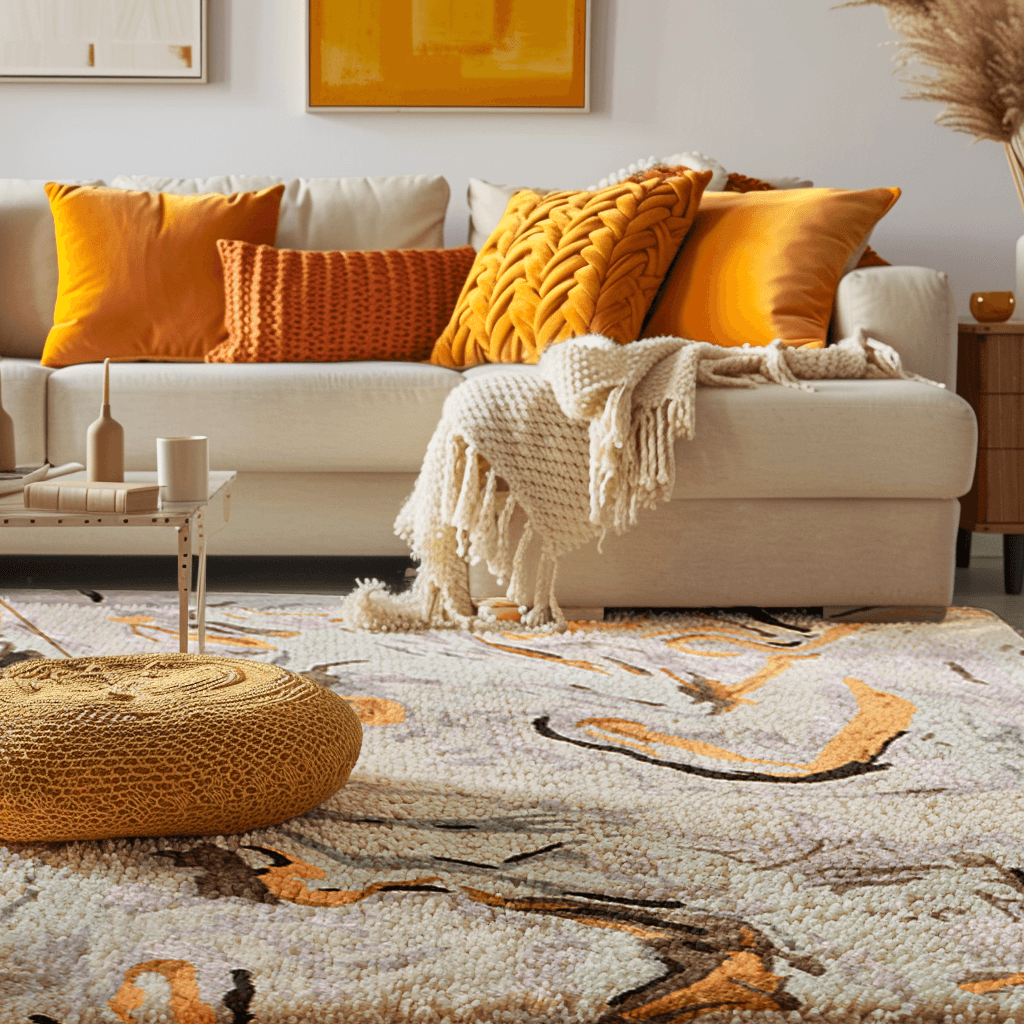
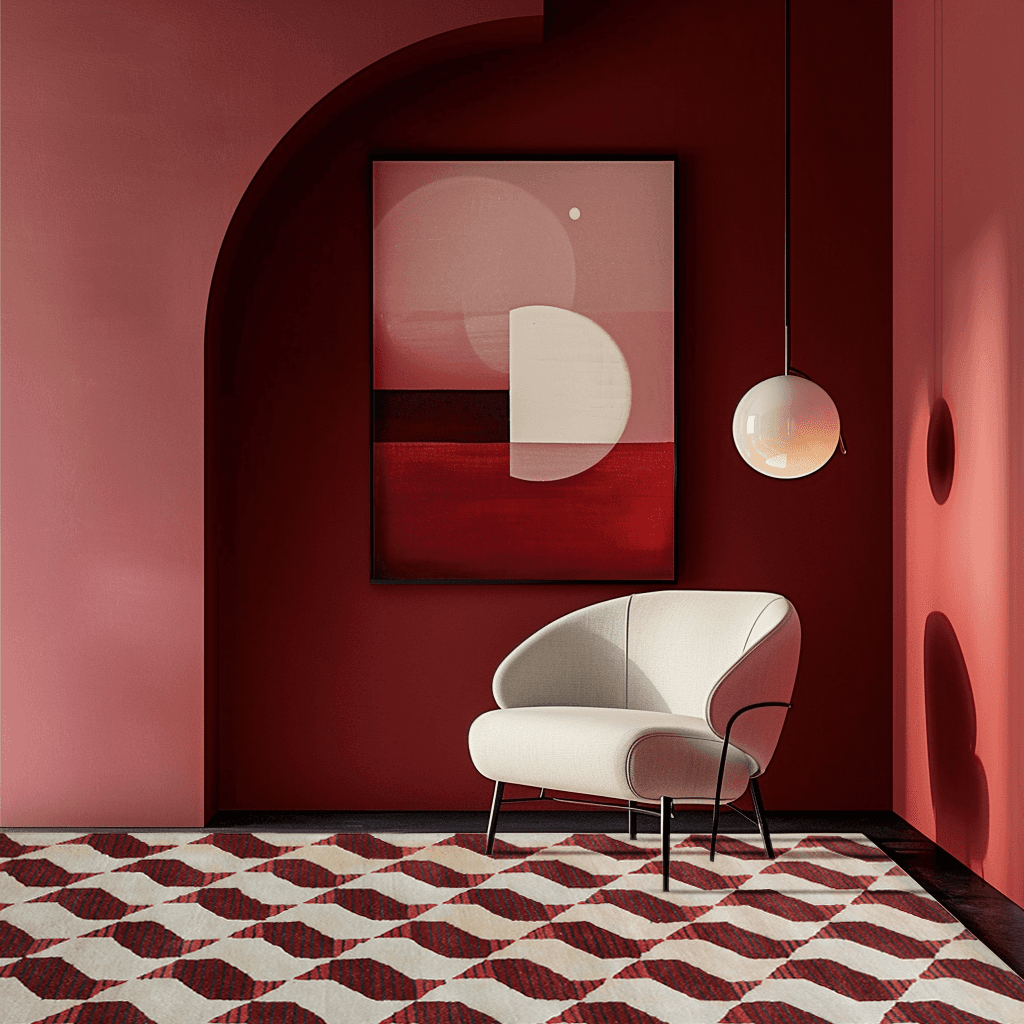
Est. in 1927, Dhiri Rugs has introduced new prints every month. Photoshoots couldn't keep up, so we built the interiors in MidJourney and composited the rugs in. No set required.
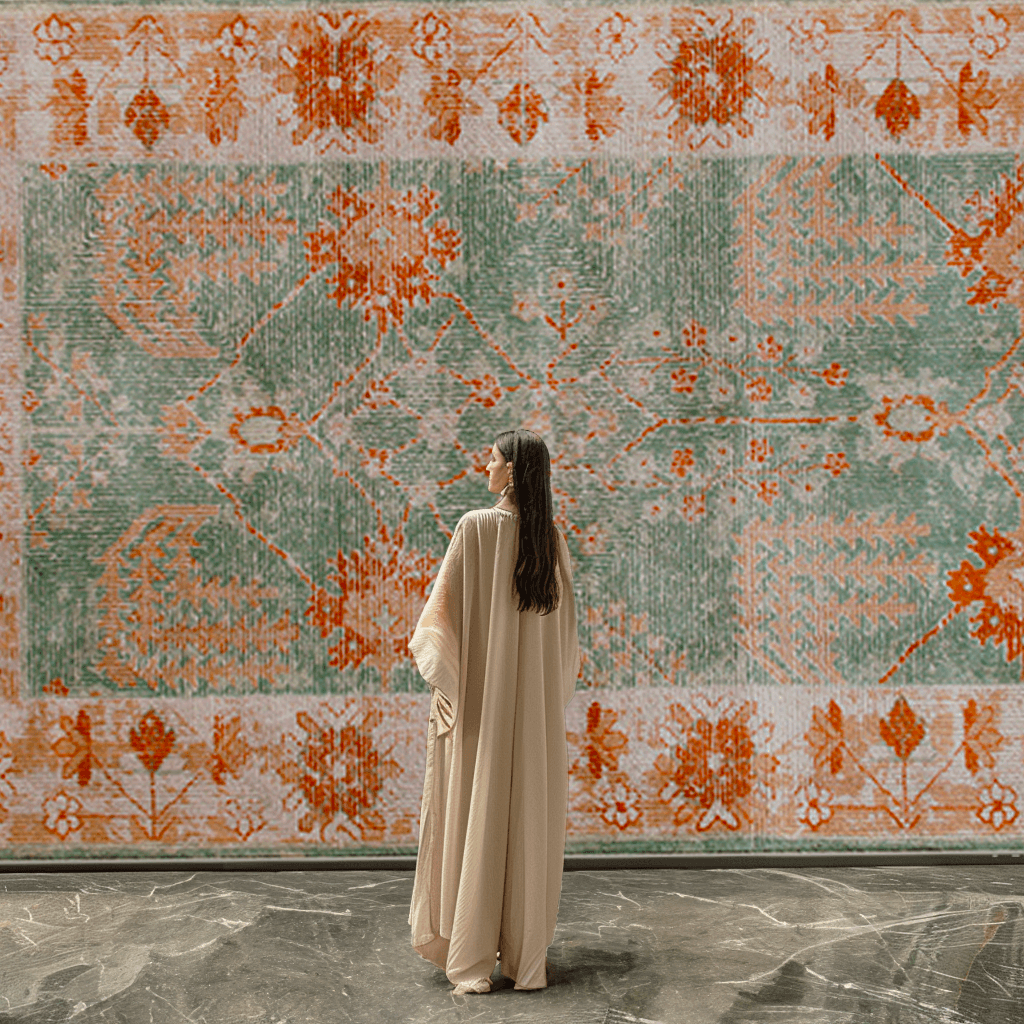
Flatlay to Scene
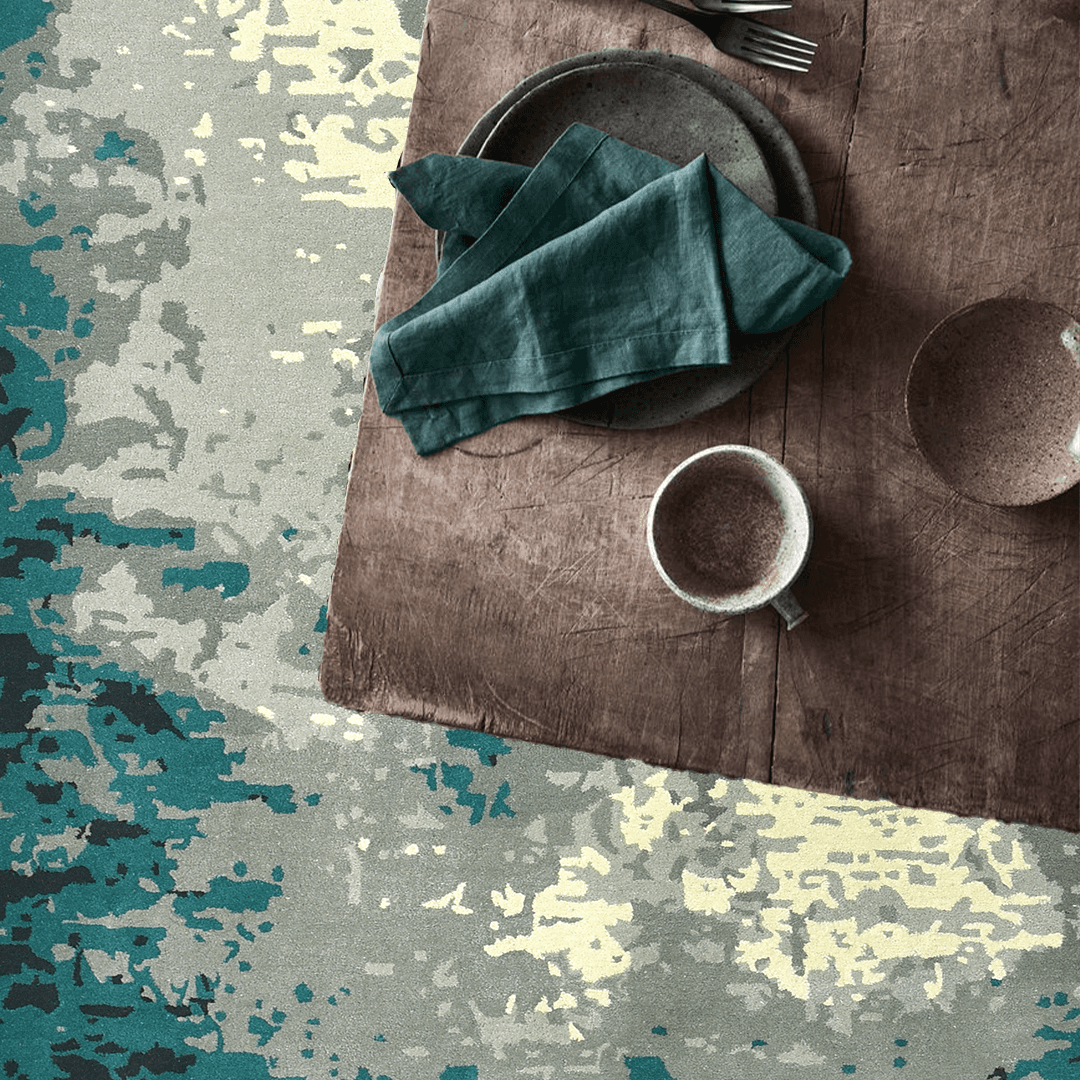
Each mockup started with a digital flatlay of the rug. I generated a realistic interior scene in MidJourney, then composited the flatlay in Photoshop — adjusting perspective, shadows, and lighting until the rug looked like it was always there.
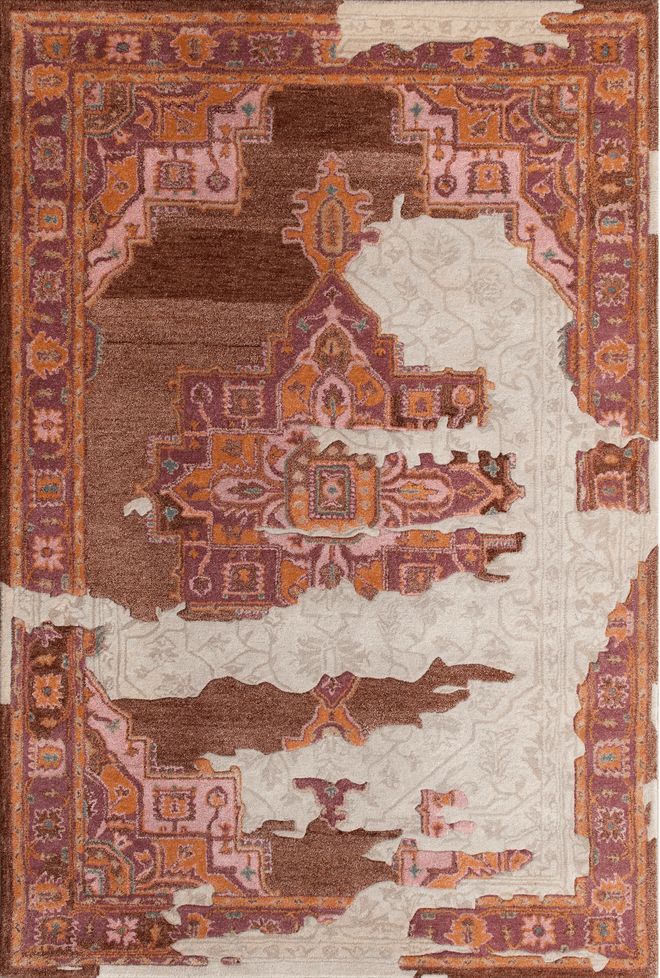
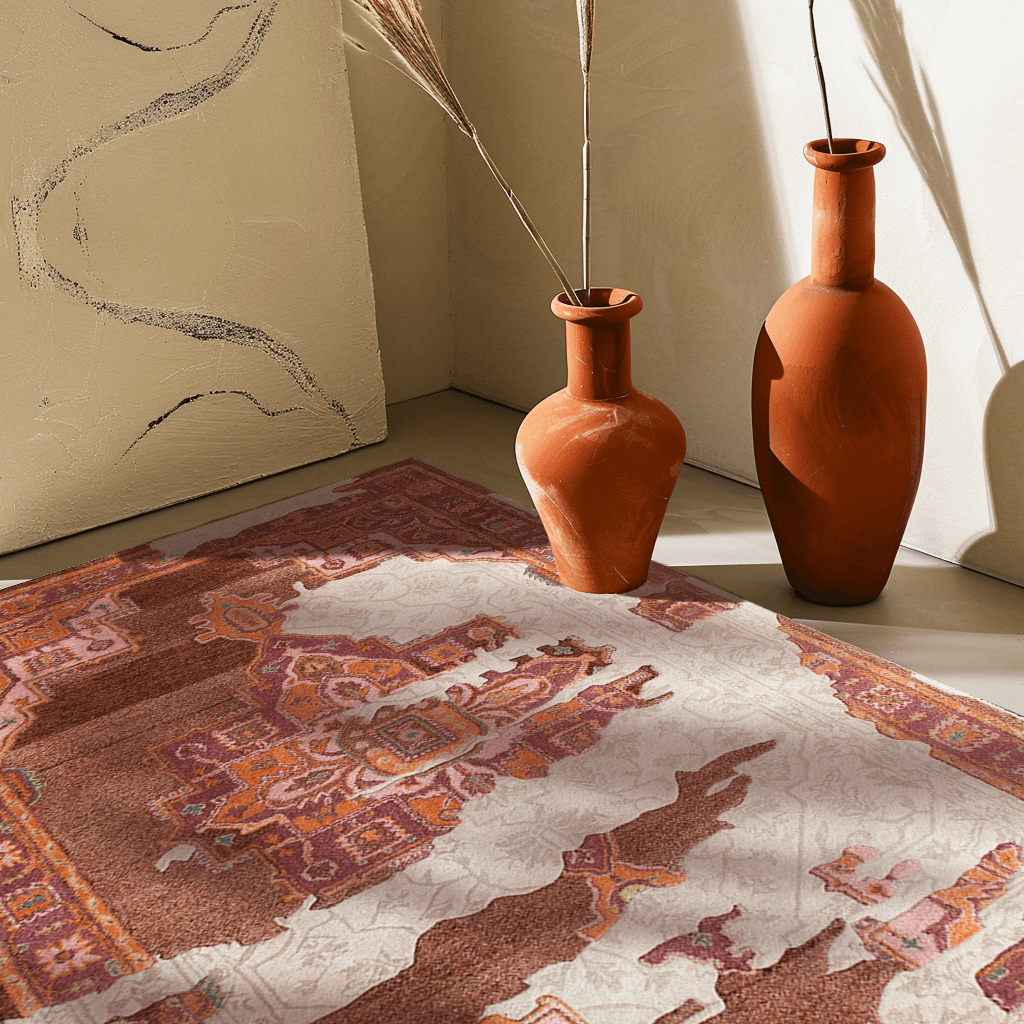
More Scenes
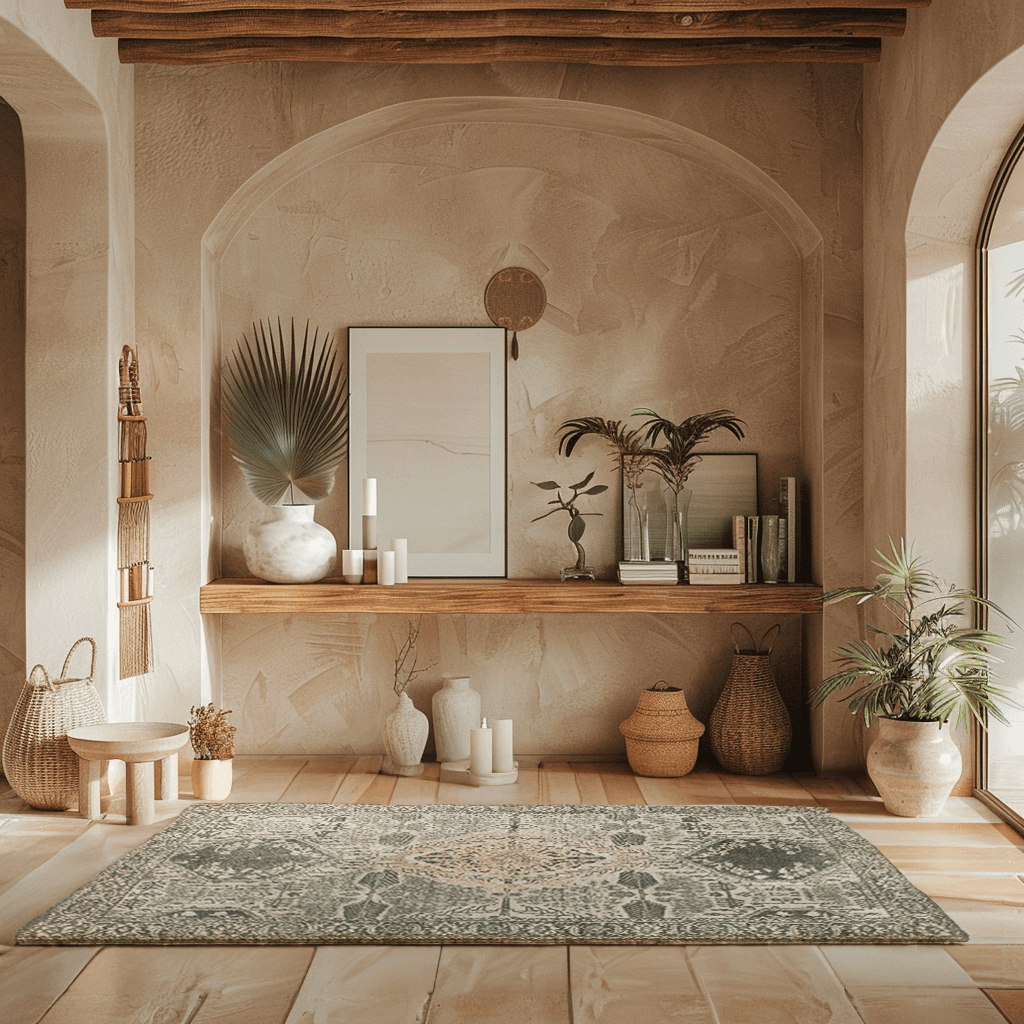

What I Rejected
The obvious solution was to make the photoshoot process faster or cheaper, better scheduling, more efficient post-production. I rejected this because it was optimizing the wrong thing. The photoshoot was the constraint itself, not the execution of it. Improving the process would have still meant a monthly production cycle that couldn't keep pace with how fast they were releasing product.
I also tested fully AI-generated scenes where the rugs were part of the original generation rather than composited in afterward. The rug details, texture, pattern accuracy, and color fidelity were inconsistent across generations. For a product that customers are buying online based on how it looks, a generated rug that appears approximately right is worse than no image at all. Accuracy on the product itself was non-negotiable. What I landed on was AI-generated room interiors with the actual product photography composited in. The AI handles the environment, which doesn't need to be exact, and the real photography handles the rug, which does. This gave us the speed and scalability of AI generation without compromising the product accuracy that a commerce context requires.
Putting it Together
